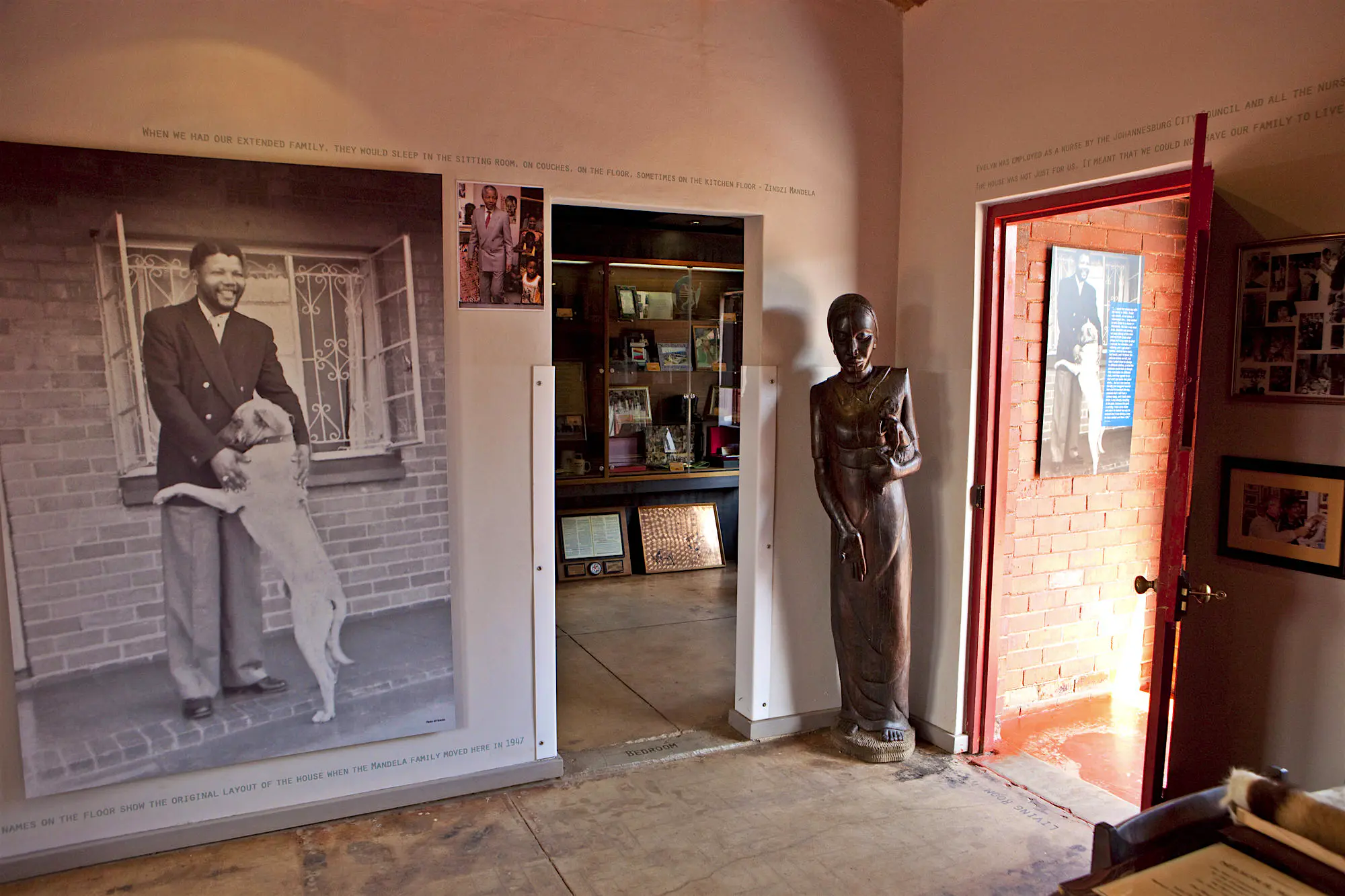
Mandela House
This former residence of Nelson Mandela displays memorabilia and photographs detailing his family life. It is located at 8115 Vilakazi Street.
Walk through the rear exit to view the original kitchen layout.

Soweto is known worldwide as the epicenter of South Africa's anti-apartheid resistance. The township produced two Nobel Peace Prize laureates who lived on the same street, witnessed the 1976 student uprising that galvanized international opposition to segregation, and remains a living archive of the struggle that transformed a nation. Understanding what makes Soweto significant means tracing the threads that connect forced removals to global solidarity, youth protest to constitutional democracy.
Quick answer
Soweto is known for the 1976 Soweto Uprising, when student protests against Afrikaans-language instruction sparked nationwide resistance and drew global condemnation of apartheid. The township is also famous as home to Nelson Mandela and Desmond Tutu, both Nobel Peace Prize winners who lived on Vilakazi Street in Orlando West. Today Soweto represents both the struggle for freedom and the vibrant urban culture that emerged from that history.
Vilakazi Street in Orlando West is the only street in the world to have housed two Nobel Peace Prize laureates. Nelson Mandela lived at number 8115 from 1946 until his arrest in 1962, while Archbishop Desmond Tutu's home stands a few blocks away. That single thoroughfare distills what Soweto is known for: a geography where extraordinary moral courage took root in ordinary neighborhoods. The name itself—a bureaucratic abbreviation of South Western Townships—once signaled apartheid's impulse to organize Black South Africans into controlled labor reserves outside Johannesburg. Forced removals beginning in the 1950s relocated hundreds of thousands of people into matchbox houses on treeless plots. But those same streets became the ground of organized defiance. When fifteen thousand students marched on June 16, 1976, protesting the imposition of Afrikaans as a medium of instruction, police opened fire. Hector Pieterson, age twelve, was among the first killed. The photographs of his body carried by a fellow student became a catalyst for international sanctions and internal mobilization that ultimately dismantled the apartheid state. Soweto's cultural legacy extends beyond resistance politics. The township incubated kwaito music, a post-apartheid genre blending house beats with vernacular lyrics that soundtracked the transition to democracy. Orlando Pirates Football Club, founded in 1937, commands loyalty across southern Africa. The cooling towers of the decommissioned Orlando Power Station now host bungee jumpers and muralists, a literal reuse of industrial infrastructure as public commons. Shisa nyama—outdoor braai spots where patrons select their own meat for grilling—anchor weekend social life, and the conversations at those fires trace lineages of survival, entrepreneurship, and refusal that predate and outlast any single political moment. When visitors ask what Soweto is known for guide content should emphasize, the answer is layered: it is famous for the uprising that changed a country, for the leaders who articulated a vision of multiracial democracy, and for the everyday culture that persists as an assertion of dignity against a history designed to deny it. The streets remain dense with that inheritance, visible in memorial plaques, in the queues outside Mandela House, and in the rhythms of a township that refuses to be only a monument.
“Vilakazi Street is the only street in the world to have housed two Nobel Peace Prize laureates.”
Soweto's story begins in 1904, when the first forced relocations moved Black residents from central Johannesburg to Klipspruit, a site chosen for its distance from the city's white neighborhoods. The name Soweto itself arrived in 1963, an acronym for South Western Townships, consolidating more than thirty separate settlements into a single administrative zone under apartheid's rigid spatial planning. By the 1950s, townships like Orlando, Pimville, and Meadowlands had swelled with families displaced by the Group Areas Act, their homes demolished to enforce racial separation. What is Soweto known for most powerfully is its refusal to accept that system: the township became the crucible of organized resistance, producing leaders, intellectuals, and activists who shaped the liberation struggle. The Soweto Uprising of June 16, 1976, stands as the defining event in that legacy. High school students marched against the imposition of Afrikaans as the language of instruction, a policy designed to entrench Afrikaner dominance in education. Police opened fire on the unarmed students near Morris Isaacson High School and on Vilakazi Street, killing at least thirteen-year-old Hector Pieterson and dozens more in the days that followed. The photograph of Pieterson's dying body, carried by a fellow student, circulated globally and galvanized international condemnation of apartheid. The uprising ignited a wave of unrest across South Africa that continued through the 1980s, drawing young Sowetans into underground movements and exile networks. Today, visitors walk Vilakazi Street, the only street in the world to have housed two Nobel Peace Prize laureates: Nelson Mandela, who lived at number 8115 before his arrest in 1962, and Archbishop Desmond Tutu, whose home stood nearby. The Mandela House Museum preserves bullet holes in its facade from a 1988 attack, while the Hector Pieterson Museum, opened in 2002, anchors the site where the 1976 marchers fell. These landmarks are not reconstructions—they are the original stages of Soweto's defiance, still embedded in the township's living fabric.
First forced relocations establish Klipspruit, the earliest Black settlement southwest of Johannesburg.
Orlando, Pimville, and Meadowlands expand rapidly as Group Areas Act displacements accelerate under apartheid.
The name Soweto is officially adopted, consolidating over thirty townships into one administrative zone.
Soweto Uprising begins when police fire on students protesting Afrikaans-medium instruction, killing Hector Pieterson and sparking national resistance.
Soweto becomes a focal point of sustained anti-apartheid unrest, with youth mobilization and international attention intensifying.
Nelson Mandela's release from prison draws global focus back to Soweto as a symbol of liberation.
Hector Pieterson Museum opens on the site of the 1976 massacre, memorializing the students' sacrifice.
Soweto features several landmark sites that provide context to its cultural and political significance. These locations are central to understanding the area's development and its role in South African history.
This former residence of Nelson Mandela displays memorabilia and photographs detailing his family life. It is located at 8115 Vilakazi Street.
Walk through the rear exit to view the original kitchen layout.
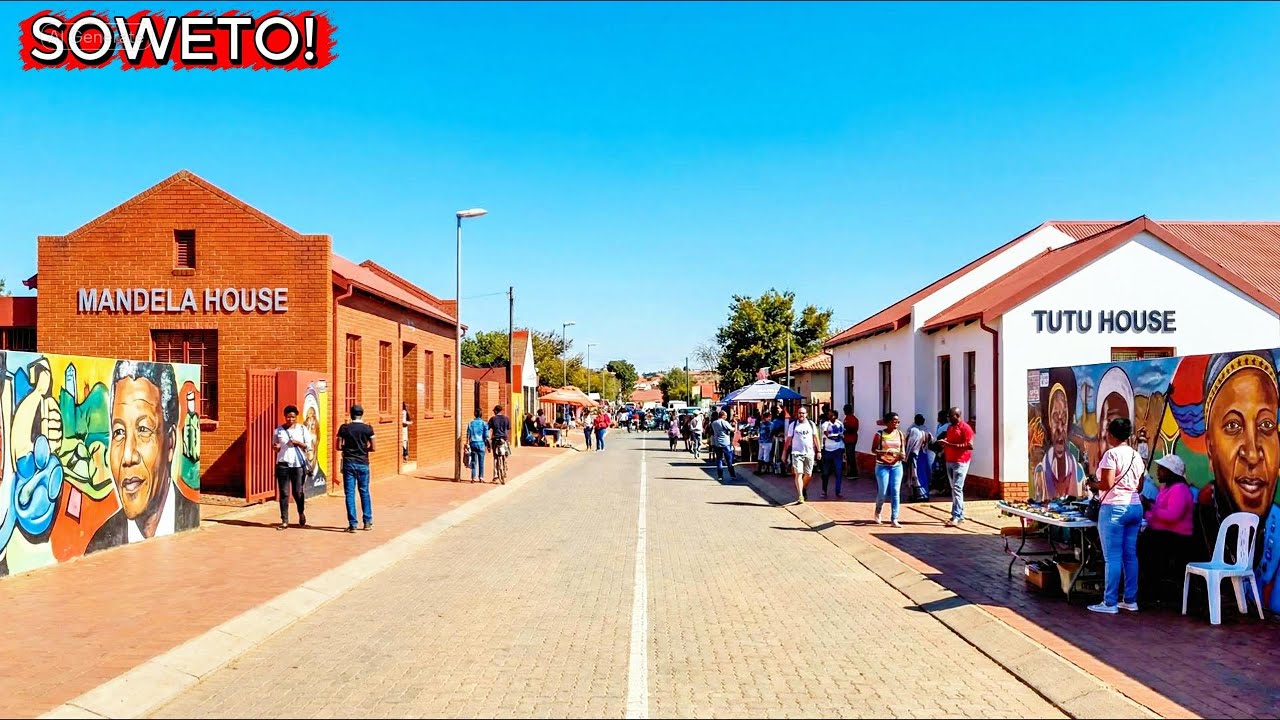
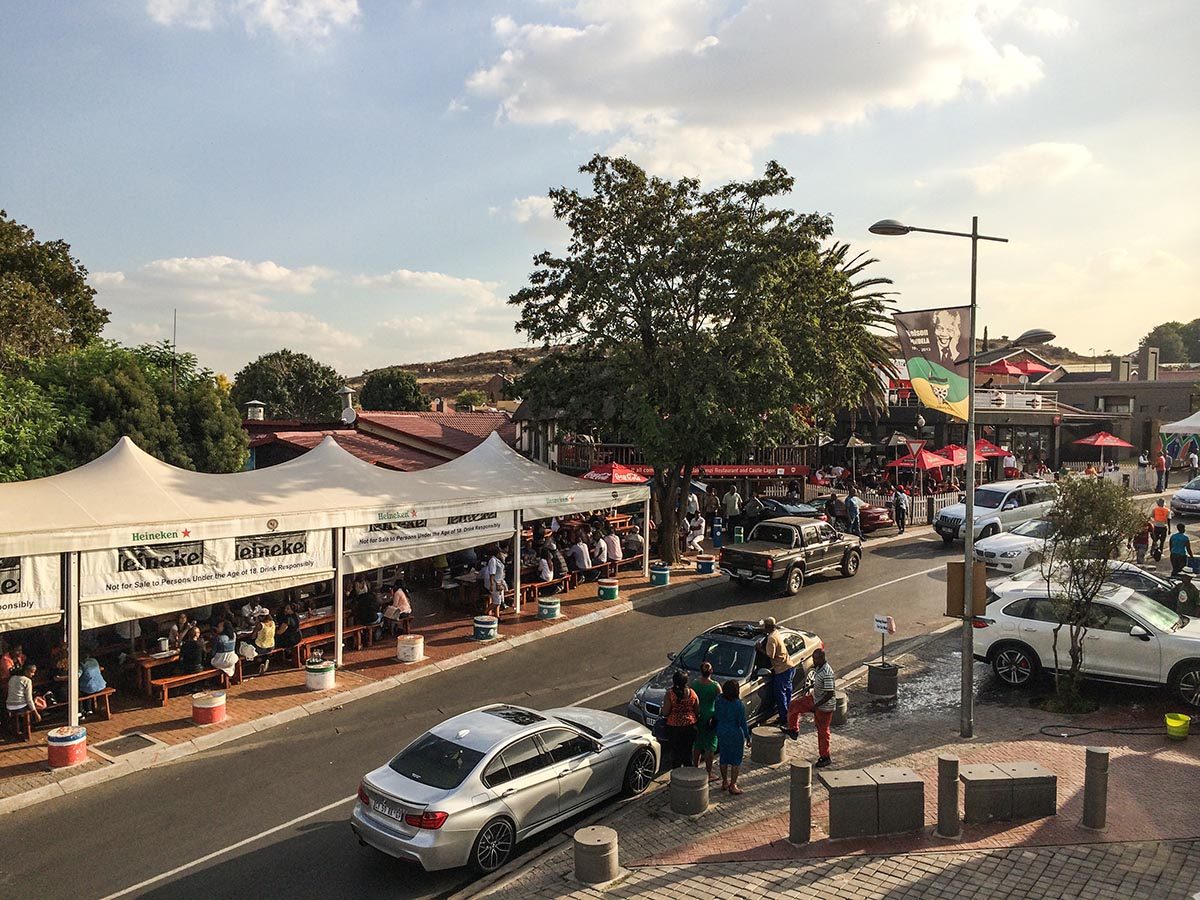
As the only street in the world to have housed two Nobel Peace Prize winners, this thoroughfare remains a focal point for visitors. It serves as a hub for local culture and commerce.
Observe the street art during a quiet morning walk.
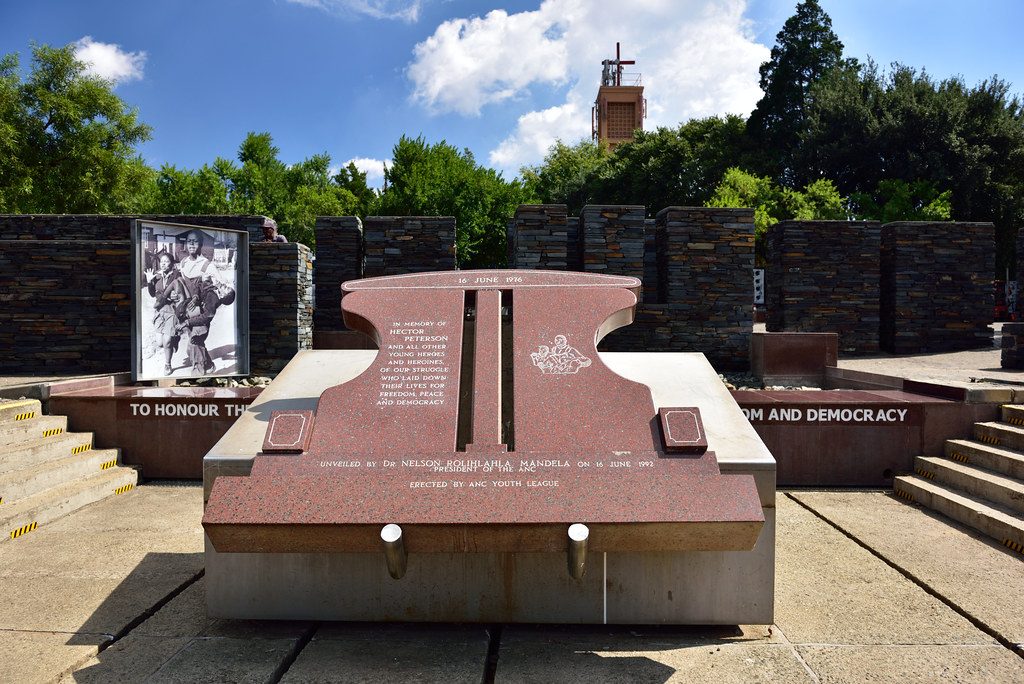
This site honors the students who participated in the 1976 Soweto Uprising. It features an extensive collection of historical photographs and testimonies.
View the memorial from the raised stone platform for perspective.
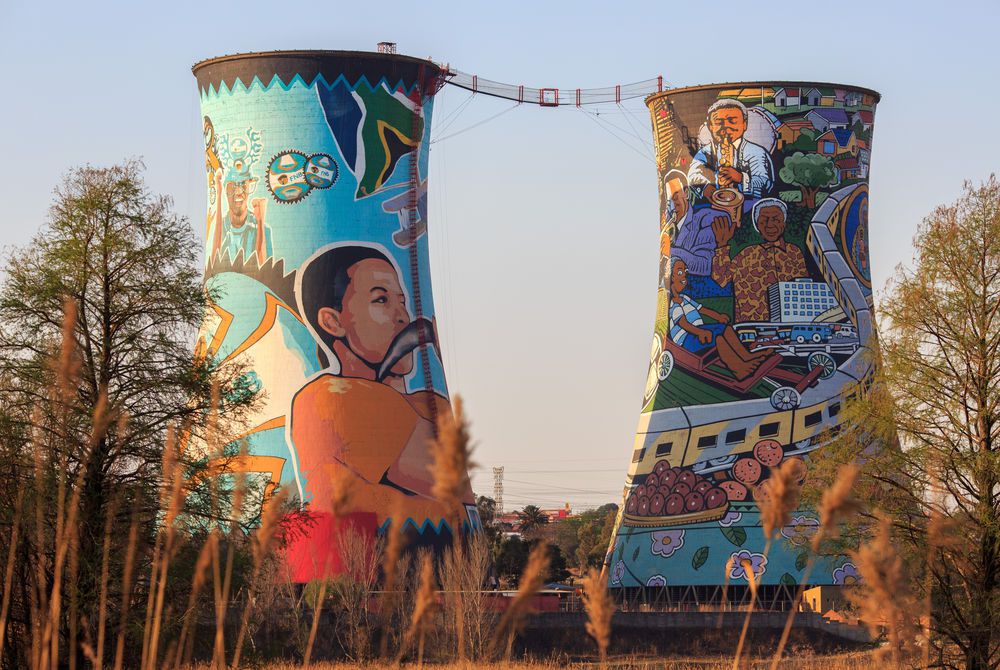
These cooling towers, formerly part of a power station, are now decorated with murals and serve as a prominent visual landmark in the skyline. They provide a backdrop for the local industrial history.
Observe the murals from the base for optimal photo framing.
The Mandela House maintains consistent daily opening hours throughout the week. Visitors are welcome to explore this site from Monday through Sunday.
The best arrival window for Soweto experiences is 09:00–16:00. Arriving within this timeframe helps avoid mid-day congestion and ensures sufficient time for a guided tour.
—
Arriving at 09:00 provides the quietest experience for walking tours.
Mild, 15°C to 25°C
Spring offers pleasant conditions for outdoor exploration before the summer rains.
Cool, 10°C to 20°C
Autumn features clear skies and comfortable temperatures for navigating Vilakazi Street.
Warm, 18°C to 28°C
Expect larger crowds and more vibrant street activity during peak summer months.
Verdict: The optimal time to visit is Tuesday to Thursday, arriving at 09:00 during the months of April or October.
Everything you need to know about what is soweto known for
Soweto is globally recognized as a center of the anti-apartheid movement and the site of the 1976 student uprisings. It remains a powerful symbol of the struggle for liberation in South Africa.
Like any major metropolitan area, Soweto is accessible to visitors when traveling with reputable, local guides. Staying informed and using organized walking tours helps ensure a smooth experience.
The area is famous for Vilakazi Street, the only street in the world to have housed two Nobel Peace Prize winners, Nelson Mandela and Desmond Tutu. Visitors often explore these significant heritage sites to understand the local history.
The standard entrance fee for a foreign adult visitor to the Mandela House is 60 ZAR. This fee supports the preservation of this important historical landmark.
Soweto is known for its vibrant street life, minibus taxis, and community-led initiatives. These elements provide a unique perspective on daily life and urban development in this historic township.
Many travelers choose guided tours to gain deep insight into what is Soweto known for, including its political legacy and social transformation. These tours provide context that is difficult to capture alone.
The best arrival window is 09:00–16:00 to avoid mid-day crowds and ensure sufficient time for a guided tour. Arriving early allows for a more relaxed visit to major sites.